
01 — Introduction
Research &
Development.
The development of APOLIFIT is rooted in modern microbiological research and a deep understanding of the skin as a complex ecosystem.
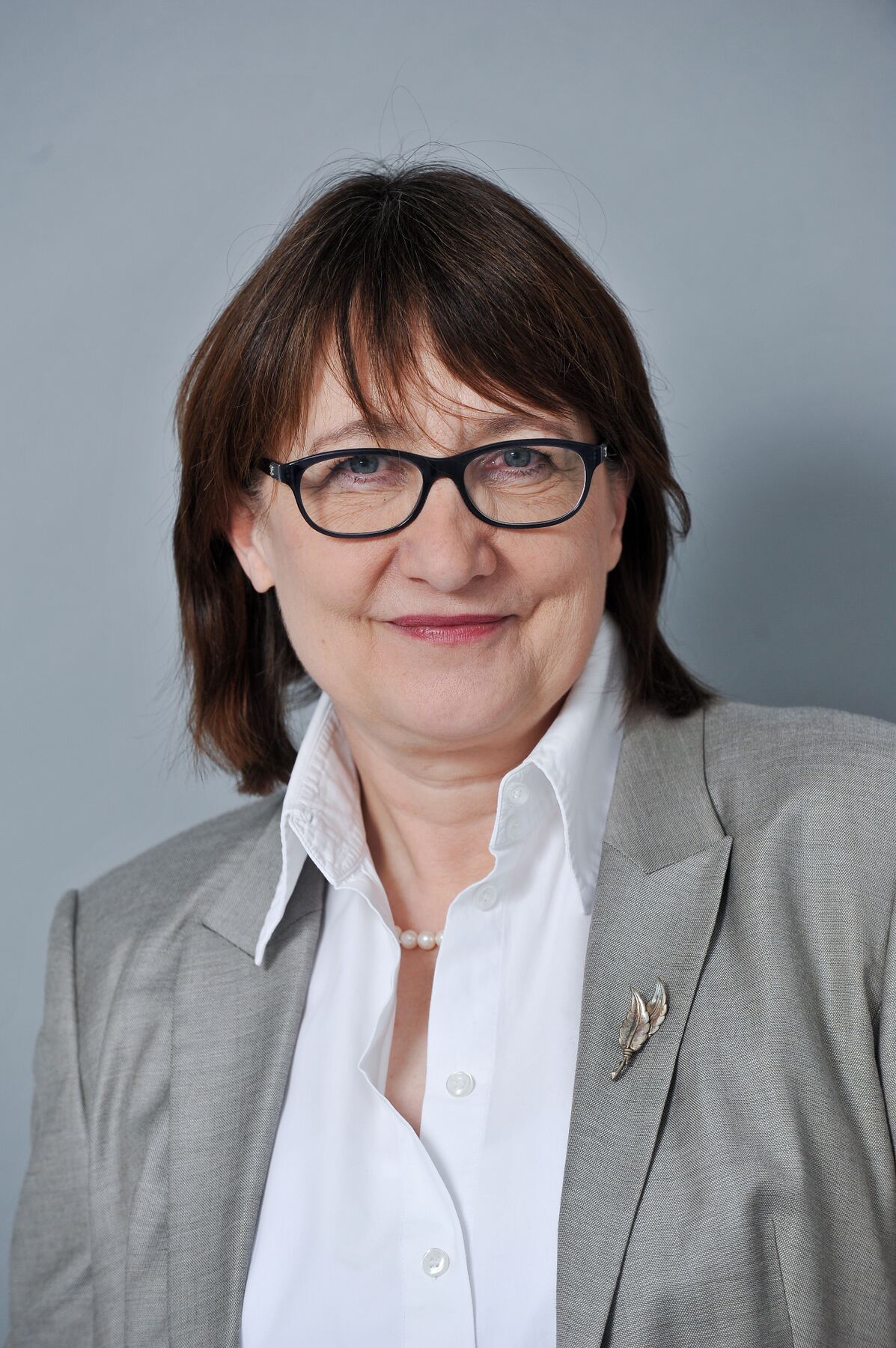
Prof. Dr. Christine Lang
Microbiology · TU Berlin
02 — Scientific background
Microbiology as the foundation.
The scientific basis of APOLIFIT draws on microbiological insights from research and application.
Our focus lies on the interaction between skin and microbiome — and on how this balance can be specifically supported.
The skin is not a shield — it is an ecosystem. Those who understand it support its natural balance.
03 — The skin microbiome
A living
ecosystem.
The skin microbiome is a finely tuned system.
When this balance is disturbed, not only the function of the skin changes, but also its appearance. The skin becomes more vulnerable, loses its calm and shows signs of imbalance more quickly.
An intact microbiome supports the skin in maintaining its stability — for a complexion that feels balanced, calm and cared for.
04 — Imbalance
When the balance tips.
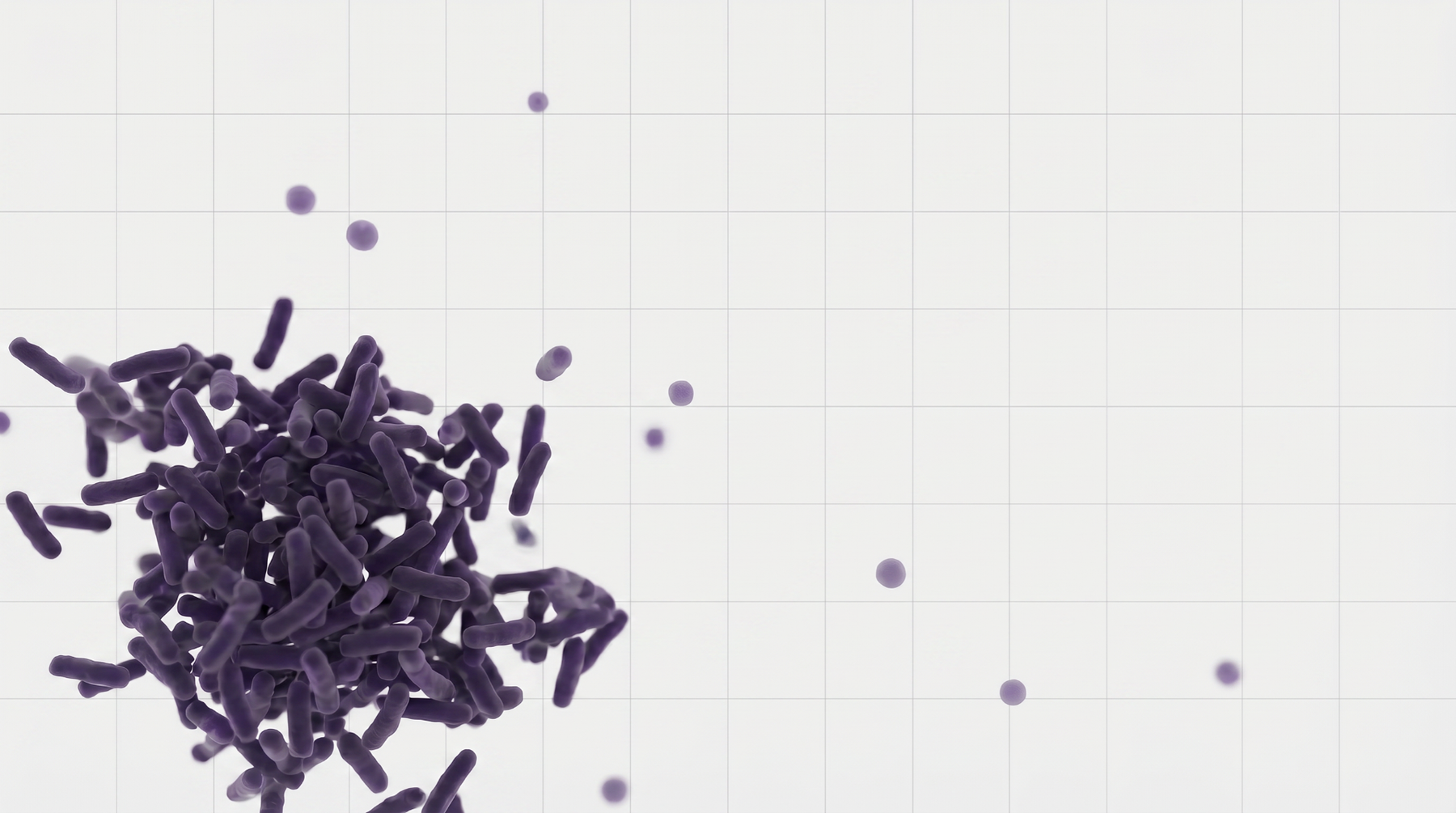
When the skin microbiome falls out of balance, the skin can react more sensitively. The diversity of beneficial microorganisms decreases while unwanted germs may increase. The consequences can be dryness, tightness, redness and irritation.
05 — Active complex
Microbiome Complex
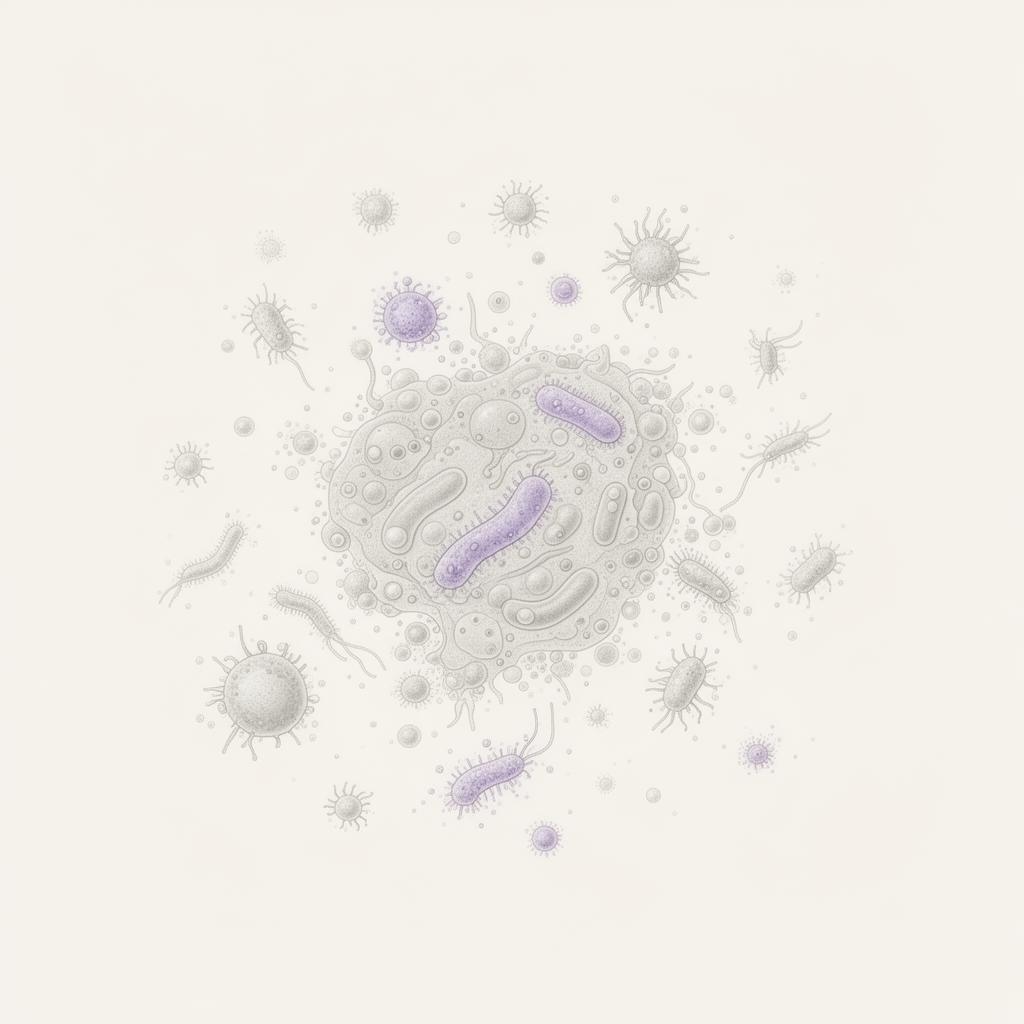
At the heart of APOLIFIT® research is the Microbiome Complex — a microbiotic active complex based on biotechnologically derived extracts of Lactobacillus brevis DSM 17250.
It is a cell-free extract containing no live microorganisms. The Microbiome Complex was developed to support the skin's natural balance and to accompany the interaction between skin and microbiome.
- Origin
- L. brevis DSM 17250
- Form
- Cell-free extract
- Target
- S. epidermidis
- Made in
- Berlin, Germany
07 — Studies
Scientific
investigations.
The underlying microbiological and dermatological research focuses on the properties of extracts from Lactobacillus brevis.
The results indicate that targeted support of the skin microbiome can contribute to stabilising the skin's balance.
08 — Study design
- Method
- Placebo-controlled
- Selection
- Randomised
- Blinding
- Double-blind
- Cohort
- 30 participants
- Duration
- 4 weeks
09 — Publication
Holz C. et al. — 2017
“Novel bioactive from Lactobacillus brevis DSM 17250 to stimulate the growth of Staphylococcus epidermidis.”
Beneficial Microbes — Wageningen Academic Publishers
Secure payment
Secure checkout · Encrypted payment · Shipped from Germany